What Can I Put Next to a Buddha Decor
You don't have to be a practicing Buddhist to experience the peace and calm that being around a statue of Buddha can bring. The term Buddha means 'The Aware Ane', and Gautama Buddha, the founder of Buddhism, was believed to accept attained a state of perfect wisdom and balance with the forces of nature.
Having a statue of Buddha at home can energize all the sectors of your life positively, strengthening all the weak aspects and enhancing positivity in your home. The ancient sciences of Feng Shui and Vastu both have a lot to say about the precise placement of the statue in your home, to optimize the chi or the flow of vital life energy within your domicile. Buddha Purnima, the Buddhist festival commemorating the birth of Prince Siddhartha Gautama, is coming upwards in May (The appointment may change every year in the Gregorian agenda but is typically in May. This year information technology falls on May 26th). Why not celebrate it in your small way at domicile by getting yourself a Buddha statue and the benefits that come with it?

Some Full general Rules to exist Followed when Placing a Buddha Statue in Your Home
- Never place the figure on the floor. It should always be on a pedestal and given the respect that the Primary deserves.
- If the statue is beingness placed on a shelf, ensure that the shelf is non cluttered with items of less importance.
- The statue should be placed higher than most of the other of import objects in the room.
- Never place the statue side by side to a fridge or heavy storage cabinet every bit its energy will be reduced or blocked.
- In general, the chantry and statue of Buddha should face the e direction.
- Never place a Buddha statue in the bedroom or bathroom.
- Ever proceed the area around the statue sparkling clean. Burn candles or incense sticks to purify the air effectually it.
- Ensure that the statue is placed facing the inside of the room, and never looking exterior. An exception is the Laughing Buddha which can exist placed at the archway to ward off negative energy.
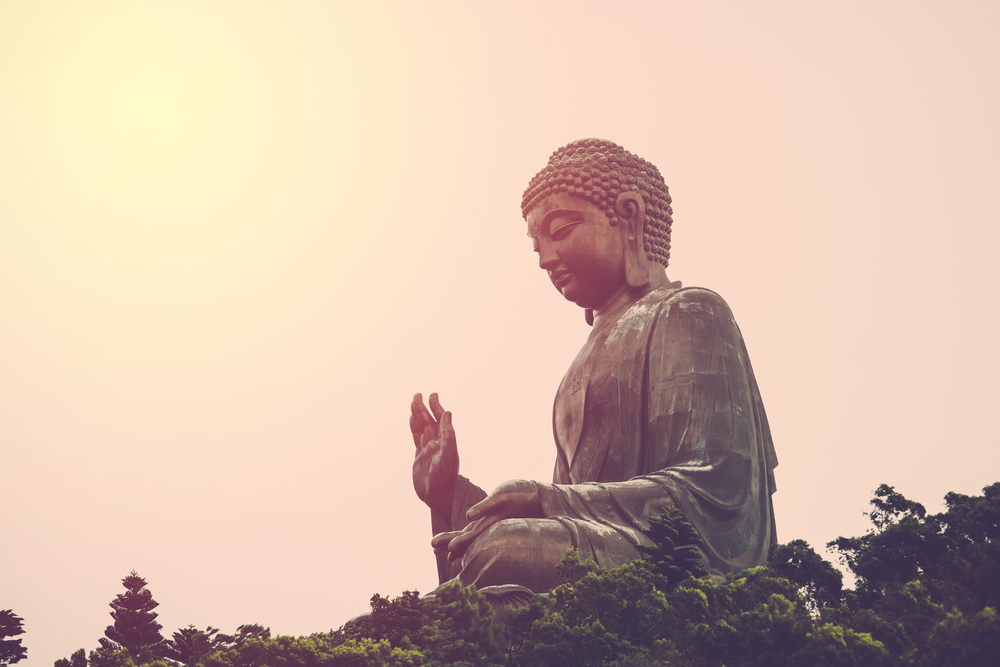

Different Forms of the Buddhist Mudras and What They Signify
Meditation Buddha
In the Meditation pose, Buddha has both palms in his lap and his legs crossed in the lotus position. The face up exudes calmness and peace, and Buddha's eyes are usually half closed with just a tiny opening, or fully closed. Annotation how the contour of the status is grounded and stable.
Placement:This statue should be placed in your meditation room or prayer room. If you don't have a defended space for this, place it in a tranquillity corner where y'all can relax and destress.
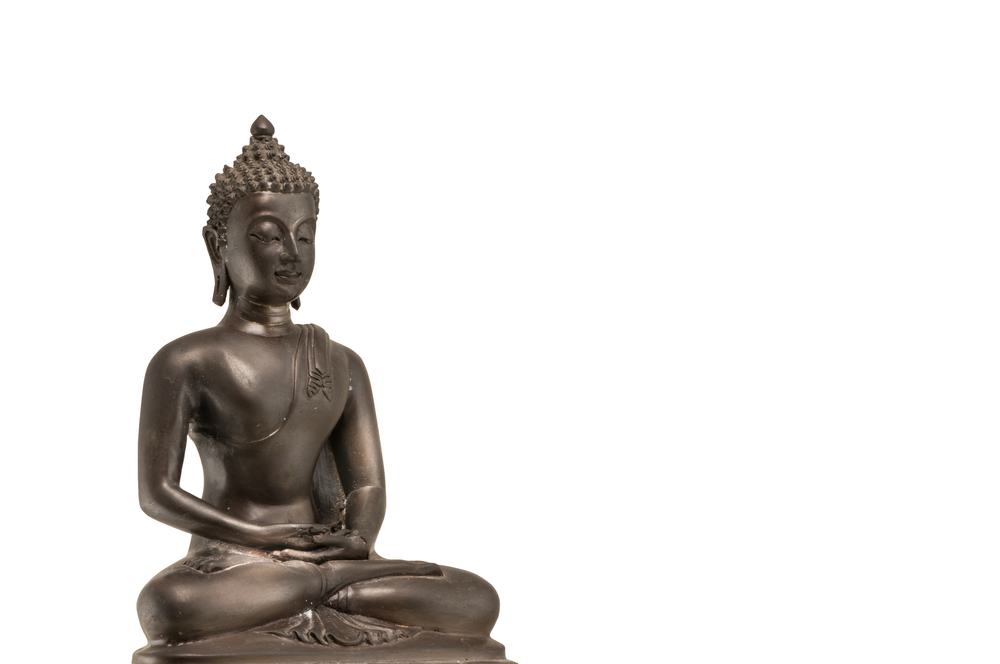
Protection Buddha (also chosen Blessing Buddha)
When Buddha has his right mitt raised in a symbol of blessing, this represents courage and offers protection from fearfulness and delusions. The Protection Buddha statue can exist either continuing upwardly or sitting down.
Placement: Vastu mandates recommend placing this statue in any areas of the house that require healing, or as a cure for a Vastu defect.

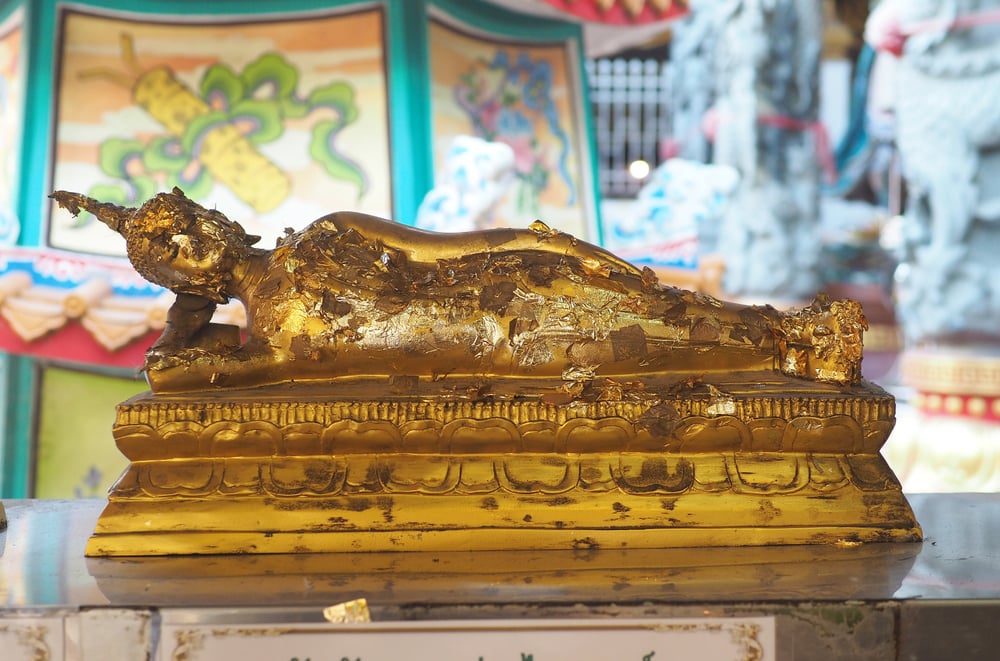
Reclining Buddha
The reclining Buddha represents the last moments in the illness of the Shakyamuni Buddha and shows him with his caput supported by the correct paw. The statue has a deep meaning, every bit it portrays the compassion that comes with enlightenment and the potential for release from the cycle of rebirth.
Placement: This statue should be placed lying on the right side, facing W.
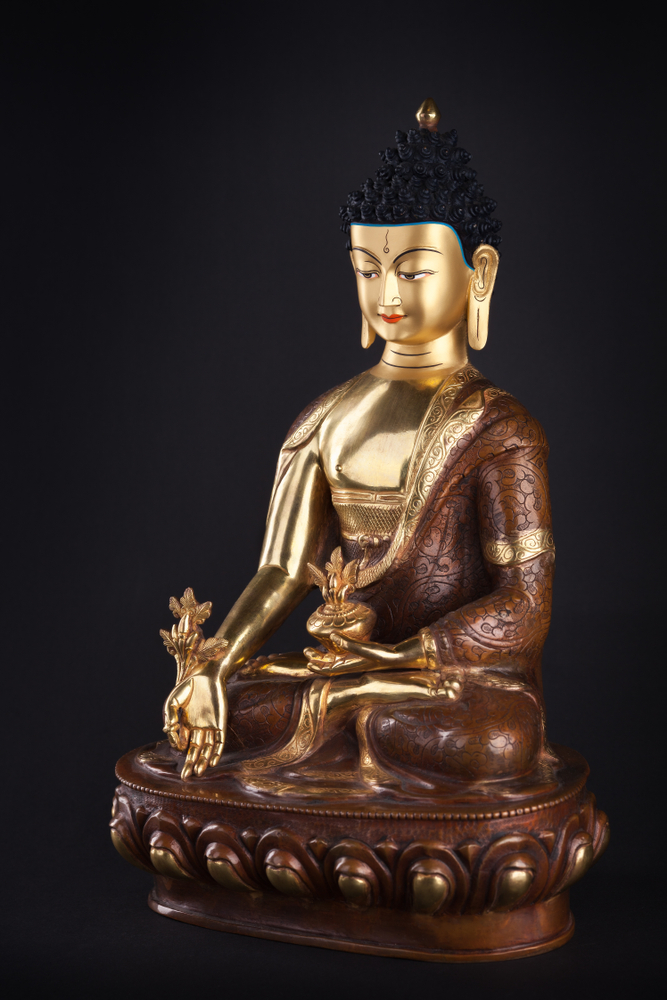
Medicine Buddha
This course of the Buddha statue depicts a seated Buddha with a bowl of herbs in his left hand, resting on his lap. The right hand faces down with the fingers extended toward the footing and the palm outward.
Placement: The medicine Buddha signifies health and healing and is revered by those who are seeking a boon of good health. While this is more than commonly found in temples, at that place is nothing preventing it from being placed in your home. Requite information technology a prominent spot that affords respect and attention.
Laughing Buddha
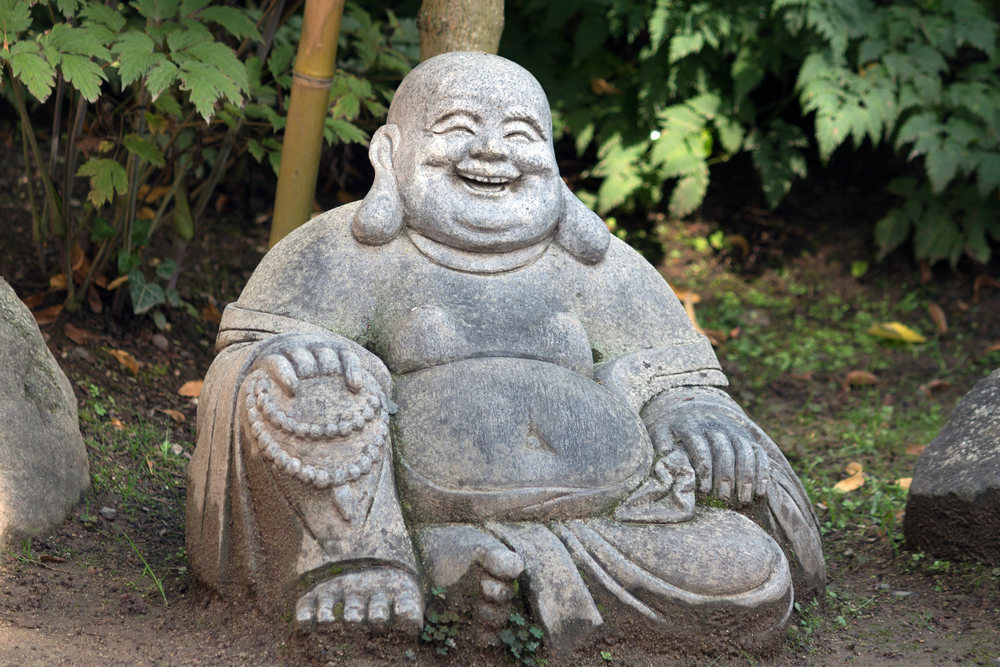
This rotund, pot-bellied image of Buddha in his later years is probably the near recognized form of Buddha in the Due west. It is supposed to bring happiness and prosperity to your home. Rubbing the belly is supposed to usher in more affluence to your life.
Placement: Feng Shui states that the Laughing Buddha tin be placed facing the main door to increase the level of positive energy and bring luck and wealth to your habitation. Place the idol facing the due east for enhanced harmony and happiness.
Creating a Zen Garden
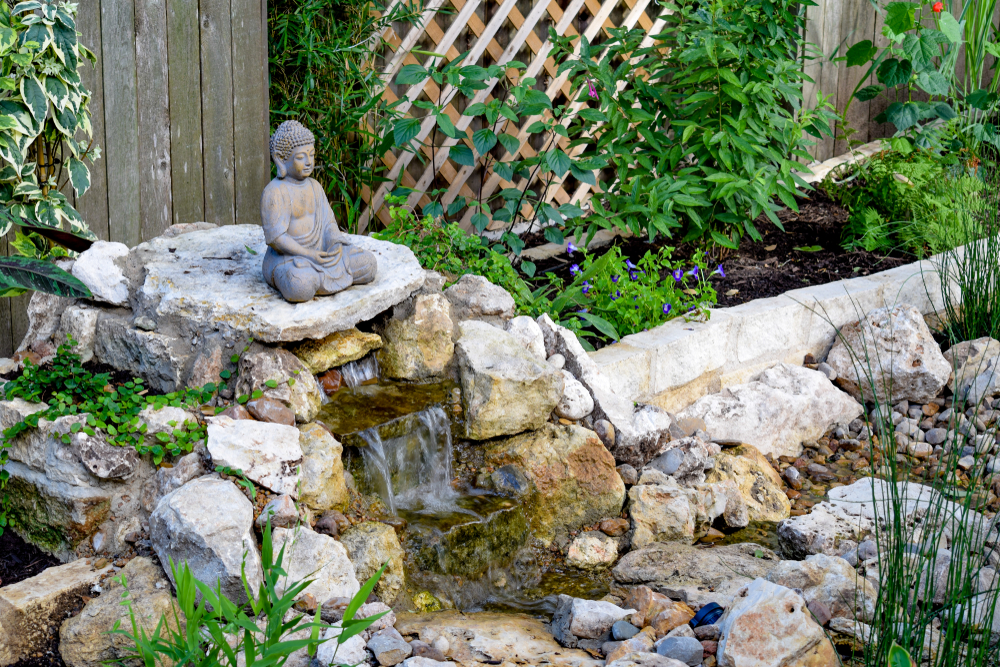
If you have space in your terrace or garden, you tin create a peaceful Zen garden with a statue of the Meditating Buddha atop a waterfall with plants all around. The sound of gurgling water and the lush light-green plants effectually make this the perfect spot for your daily meditation.
When doing this, it's very of import to make sure that the Buddha is placed at the highest level of the ground, and is given a respectful position. You may light candles and burn incense sticks in front of the idol to enhance the free energy in this space.
For more dwelling décor ideas, do reach out to the HomeLane team. We're always fix to help you create the home of your dreams!
Source: https://www.homelane.com/blog/buddha-statue-at-home/
0 Response to "What Can I Put Next to a Buddha Decor"
Post a Comment